7 Mistakes That Ruin a Diesel Engine
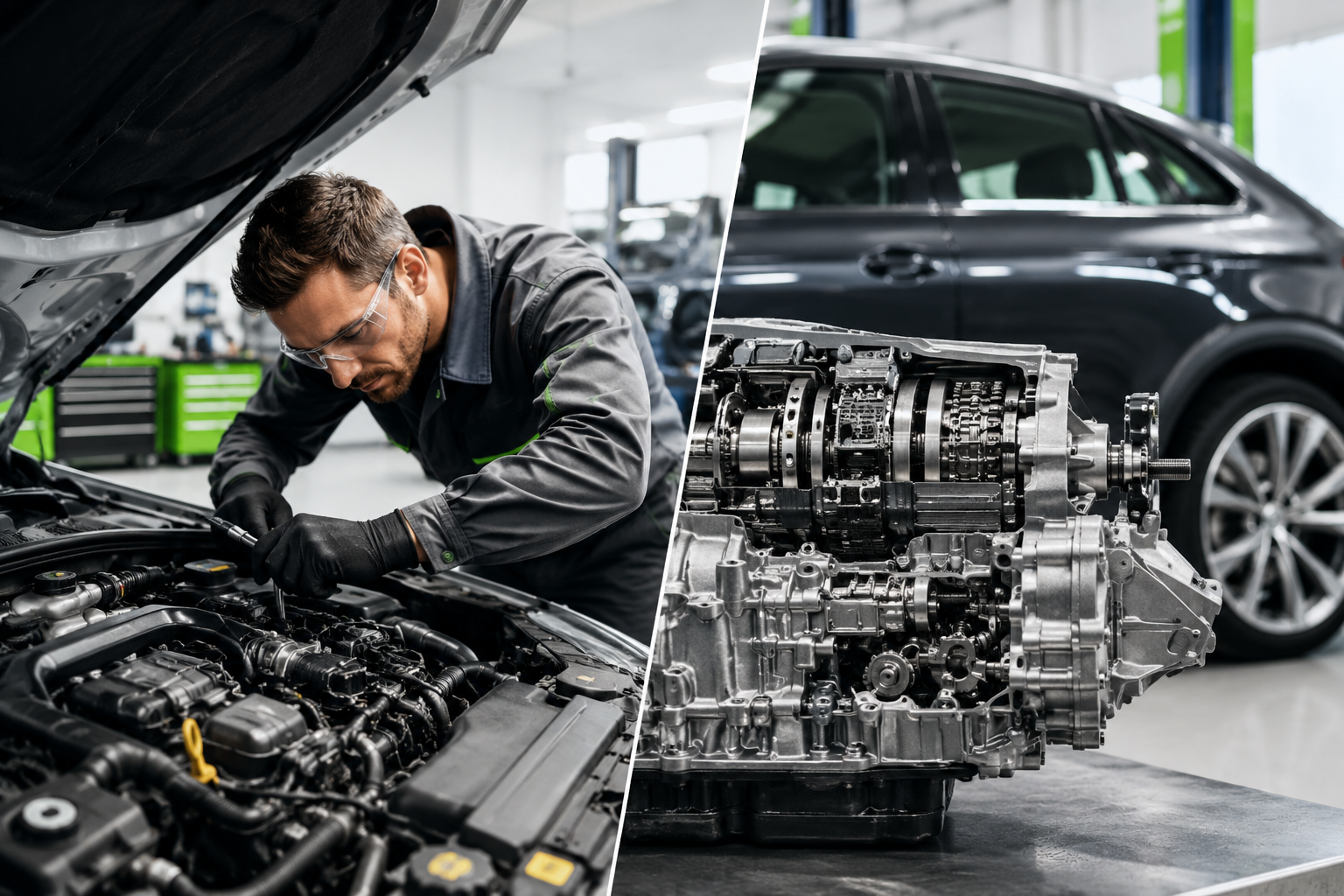
Why diesel engines fail
Diesel engines are rightly considered reliable and durable. With proper maintenance they can cover hundreds of thousands of kilometers without major breakdowns. Yet even the most reliable engine isn't immune to faults if the basic rules of operation are ignored.
In practice, most expensive repairs are caused not by factory defects but by ordinary mistakes vehicle owners make. They often seem minor, but over time they lead to premature wear of the injectors, the high-pressure fuel pump (HPFP), the turbocharger and other key components.
Here are the seven most common mistakes that can lead to serious diesel engine failures.
1. Using poor-quality diesel fuel
Fuel quality directly affects the service life of the entire fuel system. Modern diesel engines operate at very high pressure, so even a small amount of water or solid contaminants can damage the injectors and the HPFP.
After filling up with poor-quality fuel, the car may lose power, start smoking or run unevenly. If the problem isn't dealt with in time, the repair can be costly.
2. Changing the fuel filter too late
The fuel filter traps the dirt and water that can come in with the diesel.
When the filter hasn't been changed for a long time, it becomes less effective. As a result, contaminants get into the HPFP and the injectors, speeding up their wear.
Skimping on timely filter changes often ends with a repair of the entire fuel system.
3. Routinely driving with an almost empty tank
Many drivers put off filling up until the last moment, but for a diesel engine this is a bad habit.
Fine contaminants and condensation gradually build up at the bottom of the fuel tank. When the fuel level is low, they can get into the fuel system and put extra strain on the pump and the injectors.
In addition, in some designs the fuel also helps cool the fuel pump, so constantly running with the diesel level at a minimum also shortens its service life.
4. Putting heavy loads on a cold engine
After the engine starts, the oil needs some time to fully reach all the parts.
If you accelerate hard or work the engine under heavy load straight after starting, the engine and the turbocharger operate in less favorable conditions. Doing this regularly gradually speeds up component wear.
This is especially relevant for trucks, which often go to full load almost immediately after starting.
5. Ignoring the first signs of trouble
A diesel engine almost always warns you about a problem before a serious breakdown.
Higher fuel consumption, smoke, loss of power, rough running or hard starting are all signals that shouldn't be ignored.
If you keep driving without diagnostics, a single faulty injector or HPFP can end up causing repairs to other expensive engine components.
6. Cutting corners on maintenance
Regular maintenance costs far less than an engine repair.
Overdue changes of engine oil, air and fuel filters, or the use of low-quality consumables, gradually shorten engine life.
Following the manufacturer's service schedule keeps all the vehicle's systems running reliably and helps avoid many faults.
7. Skipping preventive diagnostics
Many fuel system problems can be detected before serious symptoms appear.
Periodic checks of the injectors, the HPFP and the engine's key operating parameters make it possible to spot early wear or deviations in the fuel system in good time.
This kind of diagnostics is especially recommended for high-mileage vehicles and for commercial vehicles that work under heavy loads every day.
How to extend the life of a diesel engine
In most cases serious breakdowns can be avoided. All it takes is using good-quality diesel, servicing the vehicle regularly, changing the filters on time and reacting to any change in how the car runs.
It's just as important to have the fuel system professionally diagnosed from time to time. This makes it possible to catch faults before they lead to an expensive repair.
Conclusion
Most diesel engine faults don't appear out of nowhere. More often than not they are the result of operating mistakes or overdue maintenance.
Good-quality fuel, regular diagnostics and paying attention to the first symptoms will help preserve engine life, avoid expensive repairs and keep the vehicle running reliably for many years.