How Fuel Quality Affects Your Engine: What It Means for a Diesel Car
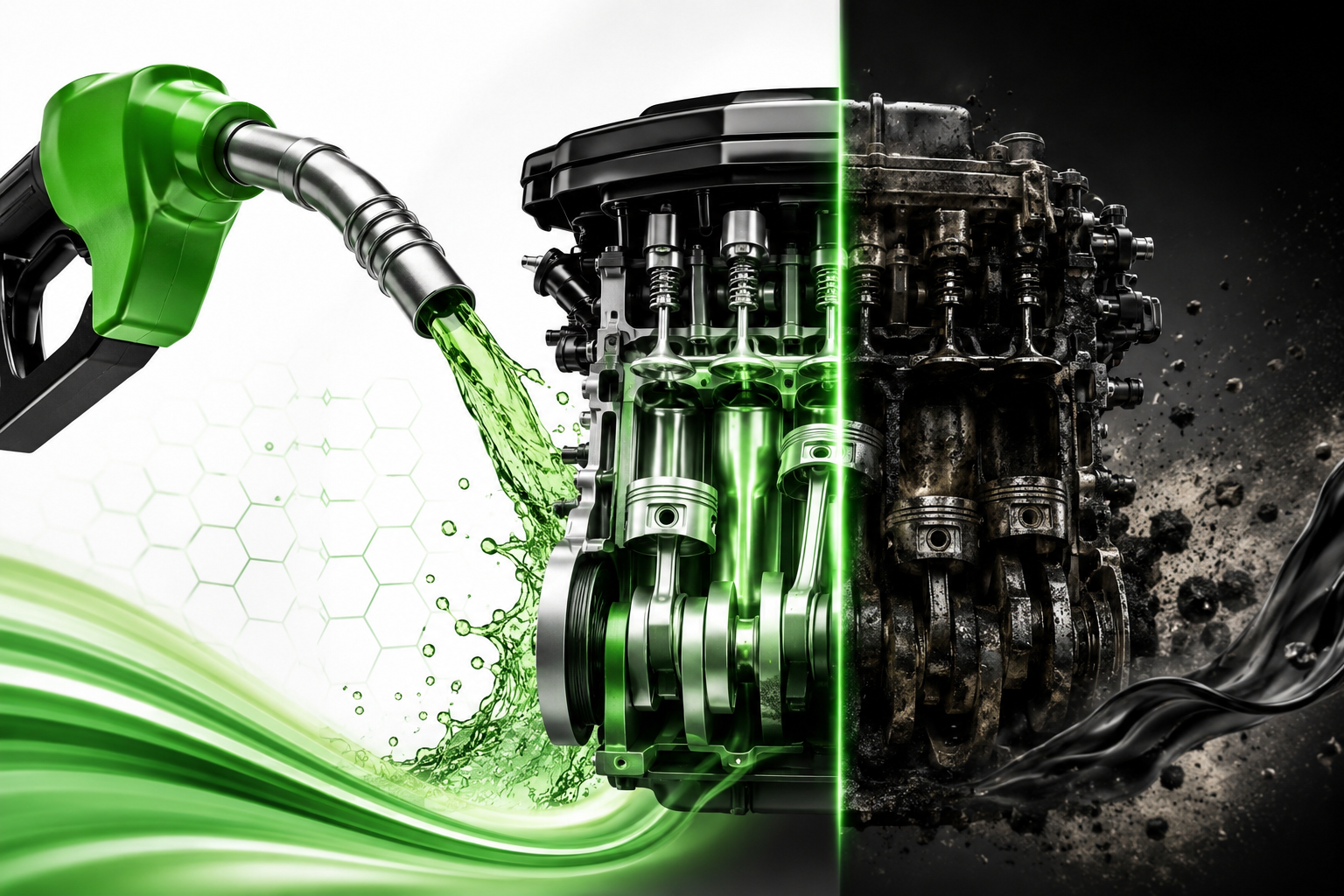
Why fuel quality matters so much
Many drivers think of diesel as just "the stuff that makes the car go". In reality, a modern diesel engine is very sensitive to fuel quality.
This is especially true of vehicles with Common Rail systems, where the injectors and the fuel pump work under extremely high pressure. In these systems, even tiny impurities or water can gradually damage expensive fuel system components.
The problem is that the effects of poor-quality fuel rarely show up immediately. More often the wear builds up gradually, and the driver only notices the problem once the car starts running unevenly.
What exactly in the fuel harms the engine
Poor-quality diesel fuel may contain or suffer from:
- water
- solid contaminants
- excess sulfur
- a low cetane number
- foreign substances or dirt
All of this has a negative effect on combustion and on how the fuel system works.
For example, water in the fuel causes corrosion of system components, while fine dirt acts literally like an abrasive, gradually wearing out the injectors and the high-pressure fuel pump (HPFP).
How bad fuel affects the injectors
Injectors are among the first parts to suffer from poor-quality diesel.
Contamination makes fuel atomization worse. Instead of delivering an even spray, the injector starts working incorrectly: it may over-fuel or, on the contrary, deliver too little diesel.
The result is a set of typical symptoms:
- higher fuel consumption
- loss of power
- smoke from the exhaust
- rough engine running
And the longer the car is driven like this, the more expensive the repair becomes.
The effect on the HPFP
The high-pressure fuel pump works under very demanding conditions and needs clean fuel to operate properly.
When impurities or water get into the system, the pump's internal components start to wear much faster.
The situation is especially dangerous when HPFP wear sends metal shavings through the entire fuel system. In that case the repair becomes much more expensive, because the injectors and the fuel lines are damaged too.
Why the engine starts running worse
Fuel quality has a direct effect on combustion.
If the diesel doesn't burn properly:
- the engine runs harsher
- vibrations appear
- starting gets worse
- smoke increases
This is especially noticeable in winter or on cold starts.
Sometimes drivers get used to the car gradually running worse and only notice the problem after a serious failure.
Can bad fuel damage the turbocharger?
Yes, and it happens more often than you might think.
When fuel doesn't burn properly, the amount of soot and carbon deposits increases. Some of these deposits build up in the exhaust system and affect how the turbocharger works.
Over time this can lead to:
- loss of pulling power
- boost pressure fault codes
- accelerated turbocharger wear
How to tell the problem may be the fuel
There are several symptoms that often appear after filling up with poor-quality diesel.
For example:
- the car has become harder to start
- smoke has appeared
- the engine runs unevenly
- fuel consumption has gone up
- pulling power has dropped
Sometimes the problem appears almost immediately after filling up, but the effects can also build up gradually.
How to reduce the risk of problems
It's hard to fully protect yourself against poor-quality fuel, but the risks can be reduced significantly.
The most important thing is to fill up at trusted filling stations and not to skimp on the fuel filter. The filter is the first line of defense against dirt and water in the fuel.
It's also worth having the fuel system diagnosed periodically, especially if the car has started behaving differently than before.
Conclusion
Fuel quality directly affects the service life of the injectors, the HPFP, the turbocharger and the engine itself. Poor-quality diesel doesn't always cause a problem right away, but it steadily accelerates fuel system wear.
That's why regular maintenance and paying attention to how the car runs help you avoid expensive repairs down the road.